Finance
Navigating the Climate Finance Conundrum: Uncertainty Looms as the World Awaits the U.S. Election Outcome
As the world grapples with the escalating climate crisis, the upcoming United Nations meetings in New York have become a crucial battleground for resolving the long-standing differences over boosting global climate finance. However, the uncertainty surrounding the U.S. presidential election threatens to jeopardize any potential progress, leaving negotiators in a precarious position as they strive to reach a new deal before the current 0 billion financing pledge expires at the end of this year.Navigating the Uncertain Path Ahead: How the U.S. Election Could Shape the Future of Climate Finance
Waiting Game: The Calculus of Global Climate Talks
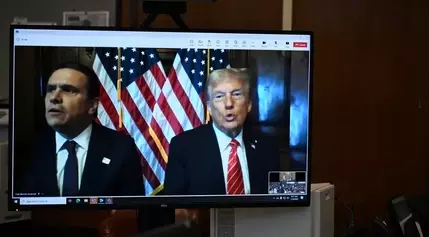
Negotiators have expressed a reluctance to stake out their positions before knowing the outcome of the U.S. presidential election on November 5th. The election result will determine the climate policy of the world's largest economy and biggest polluter for the next four years, a factor that is heavily influencing the global climate talks. Countries are analyzing various scenarios, including a potential victory for Vice President Kamala Harris, who has championed ambitious climate action, or a return to the Trump administration's climate denial and fossil fuel-friendly policies. The possibility of a prolonged uncertainty or delayed election result is also being considered, further complicating the negotiations.Tricky Target: Balancing the Needs of Vulnerable Nations
Agreeing on a new target for climate finance is proving to be a delicate and complex task. Setting the target too high could lead to a failure to meet the full amount, sowing tension and mistrust among the developing countries relying on these funds. Conversely, a target too low would leave many vulnerable and underserved communities struggling to adapt to the escalating effects of global warming. The U.N. climate agency chief, Simon Stiell, has estimated that the annual need for climate finance is in the trillions to adequately support poorer countries in their transition to clean energy and prepare for the consequences of a warmer world. Failing to set a new target before the start of 2025 could jeopardize future climate negotiations, warned a senior official with Azerbaijan's COP29 presidency.Shifting Sands: The Impact of U.S. Election Outcomes
Regardless of the U.S. election outcome, the current U.S. climate negotiators are limited in their ability to make significant pledges. However, a Harris presidency would ensure more continuity in the country's climate policy. As a candidate, Harris has expressed support for Biden's climate negotiating positions, including a pledge to contribute billion to the global Green Climate Fund. In contrast, a Trump victory would likely see the U.S. withdraw from the Paris Agreement and the overarching U.N. Framework Convention on Climate Change, a move that would further undermine global climate efforts.Lessons from the Past: Navigating Unexpected Outcomes
The uncertainty surrounding U.S. elections and U.N. climate summits is not a new phenomenon. The contested 2004 U.S. election coincided with a climate summit that reached no agreement that year, pushing their talks into a special session held five months later in Bonn, Germany. The 2016 election, in which Donald Trump defeated former Secretary of State Hillary Clinton, also caught the U.S. climate negotiators off guard, leaving them "shattered" and scrambling to adapt. However, this year is different, as negotiators are better prepared for unexpected outcomes, having learned from past experiences. The urgency of the climate crisis has also heightened, with rising global temperatures already triggering devastating climate disasters and extremes.Building Resilience: Adapting to Uncertainty
In the face of this uncertainty, climate negotiators are taking proactive steps to strengthen their resilience. Sustainable finance director Paul Bodnar, who previously served as a U.S. negotiator under former President Barack Obama, highlighted the key difference between now and 2016 – the element of surprise is no longer as pronounced. After the Trump administration's withdrawal from the global climate effort, Bodnar and others have worked to build alliances among U.S. states and cities, ensuring a strong American presence in global climate talks, regardless of the federal government's position.As the world gathers in New York and looks ahead to the COP29 climate summit in Baku, the stakes have never been higher. The ability of countries to navigate the treacherous waters of climate finance and reach a new agreement will have far-reaching consequences for the future of our planet. With the U.S. election looming, the global community must demonstrate its resilience and determination to overcome the challenges ahead, ensuring that the fight against climate change remains a top priority for all.