How to Propagate Rosemary in Soil or Water

19.5K
1.4K
177
2025-10-25
How to Propagate Rosemary in Soil or Water

Rosemary (Salvia rosmarinus syn. Rosmarinus officinalis) is a fragrant and delicious culinary herb that's popular with both gardeners and cooks. And knowing how to propagate rosemary is a budget-friendly way to multiply this plant as much as you like. The easiest way to grow lots of new rosemary plants from a single mother plant is to root stem cuttings in either soil or water. Follow these tips and step-by-step instructions to get started.

Best Time to Propagate Rosemary

Rosemary can be propagated at any point during the growing season, but the best time to take rosemary cuttings is in late spring to early summer, before the plant flowers. If you want to overwinter rosemary cuttings indoors, take stem cuttings in autumn before frost hits, but check them carefully for pests before bringing them inside.

How to Propagate Rosemary Cuttings in Soil

Rooting rosemary in soil takes a little more time than water propagation, but it’s handy because the cuttings root in pots and may not need to be transplanted later on.

Step 1: Take stem cuttings.

Snip 3- to 6-inch-long cuttings from healthy rosemary stems using sharp, clean garden shears or scissors. Clip cuttings directly above a leaf node to encourage the mother plant to branch. Remove any leaves on the lower 2 inches of the cuttings with your fingers.

Look for rosemary stems to cut that are actively growing, flexible, and flush with green leaves. Rosemary plants become woody as they age, and woody stems are much harder to propagate.

Step 2: Apply rooting hormone.

Dip the cut ends of the rosemary stems in water and dab them in a dish of rooting hormone powder. Rooting hormone isn’t strictly required, but it helps cuttings root faster and can ward against rot.

Step 3: Plant the cuttings.

Fill up small pots with a well-draining, potting mix or damp sand and poke narrow planting holes in the substrate with a pencil or chopstick. Place a rosemary cutting in each planting hole so that the leaves are above the soil line, and then firm the potting mix around the base of each cutting. If you’re rooting multiple rosemary plants in the same pot, space the cuttings at least 3 inches apart.

Step 4: Provide water, humidity, and light.

Give the cuttings water until it runs out the bottom of the pots. Then, place a clear plastic dome or bag over the cuttings to boost humidity levels around the cuttings and keep the soil from drying out as fast. Set the pots under a grow light or on a windowsill that receives bright, indirect light, and water them regularly so that the soil stays damp but not soggy.

Step 5: Check for roots.

Rosemary cuttings take about four to eight weeks to root in soil. Any cuttings that turn brown or drop leaves during this time aren’t rooting and should be composted. You’ll know the cuttings have rooted when they start to grow new leaves and you can’t easily lift them out of the soil with your fingers. At this point, you can either keep the rosemary cuttings in their original pots, repot them into larger containers, or harden off and transplant the cuttings into your garden after the last frost date of spring.

How to Propagate Rosemary in Water

Rooting rosemary cuttings in water can be tricky because water-propagated herbs are more prone to rotting. However, if you keep your containers clean, this technique is useful, and cuttings usually root even faster in water.

Take cuttings from a rosemary plant as described in the first step above. Then place the cuttings in a clean vase or other vessel with about 1 inch of water, making sure no leaves are sitting below the water line or they will rot. Refresh the water every few days and toss out cuttings that start to brown or drop leaves.

Use a clear glass container to propagate rosemary in water so you can more easily keep track of the water level and spot sprouting roots.

Rosemary cuttings should begin to develop roots in about two to six weeks when propagated in water. After the cuttings develop four or five roots that are roughly a half-inch long, plant the cuttings in potting mix. Keep the cuttings in bright, indirect light and water regularly.

Caring for Rooted Rosemary Plants

When the rooted cuttings start to produce new growth, you can continue to grow your new rosemary plants indoors or harden off the plants and transplant them into your garden after the danger of frost in spring has passed. Established rosemary should receive at least six to eight hours of bright light daily, and it should not be watered too often, because rosemary is prone to root rot. A good rule of thumb is to water rosemary plants only when the top 1 inch of soil feels dry.

Outdoor rosemary doesn’t need much fuss and is relatively resistant to pests. However, rosemary grown indoors is prone to drying out due to dry indoor air. To avoid this, keep rosemary plants on pebble trays or grow them near a humidifier.
Related Article

6 Tips for Creating a Low-Maintenance Cottage Garden
22.5K
1.3K
283

6 Tips for Creating a Low-Maintenance Cottage Garden

Cottage gardens are intentionally casual. Go big on color, but light on labor with this classic, informal garden style.
How to Use a Compost Tumbler to Turn Scraps Into Garden Nutrients
1.8K
165
62

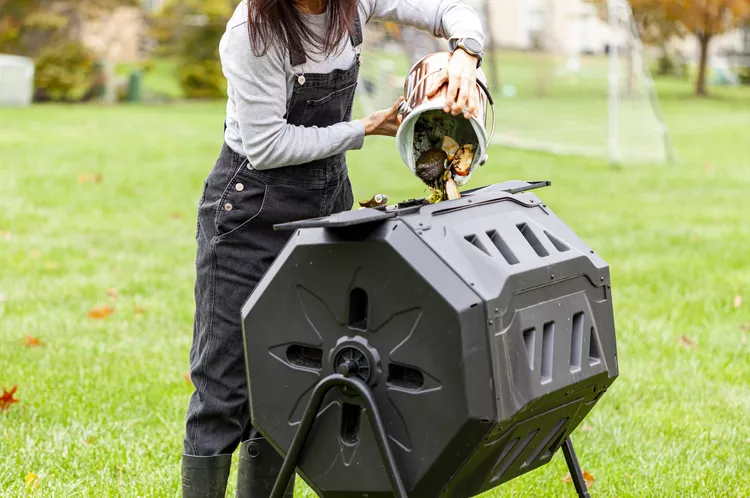
How to Use a Compost Tumbler to Turn Scraps Into Garden Nutrients

Learn how to use a compost tumbler to quickly turn your kitchen waste into valuable organic matter for your plants.
15 Easy Annuals You Can Grow from Seed
7K
556
61

15 Easy Annuals You Can Grow from Seed

Find out which annuals are easy to grow from seed for their beautiful flowers, along with tips on when and how to sow them.
How to Grow Basil Indoors to Enjoy All Year Long
30K
898
350

How to Grow Basil Indoors to Enjoy All Year Long

Growing basil indoors is easy to do from seeds or cuttings. Learn how to grow basil indoors in potting mix or water.
The 10 Best Types of Gourds to Grow for Decor, Crafts, and More
44.7K
1.8K
447

The 10 Best Types of Gourds to Grow for Decor, Crafts, and More

Types of gourds come in many colors, shapes, and sizes. Find the best ones to grow in your garden, how to harvest gourds, and what to use them for.
21 Best Vegetables to Grow in Pots
22.8K
1.1K
136

21 Best Vegetables to Grow in Pots

Choose from these vegetables to grow in pots to enjoy plenty of homegrown produce even from a small space. From petite tomato plants to mini melons, this list includes 21 tasty options that will thrive in containers.
7 Tomato Plant Pests and How to Get Rid of Them
23.1K
461
138

7 Tomato Plant Pests and How to Get Rid of Them

These tomato pests can take a big bite out of your harvest. Use these tips to keep them under control.

8 Expert Tips on How to Keep Squirrels Out of Bird Feeders
30.7K
3.1K
983

8 Expert Tips on How to Keep Squirrels Out of Bird Feeders

These tips from experts on how to keep squirrels out of bird feeders ensure a cleaner outdoor space and only birds at your feeder.
What Are Leafhoppers and How to Get Rid of These Pests
49.2K
1.5K
664

What Are Leafhoppers and How to Get Rid of These Pests

Leafhoppers can damage plants and spread diseases, but there are several ways to control these insect pests. Find out the best ways to get rid of leafhoppers and prevent infestations organically with these tips.
How Can I Stop Woodchucks From Eating My Flowers and Plants?
31.7K
2.9K
656

How Can I Stop Woodchucks From Eating My Flowers and Plants?

How do I stop woodchucks from eating my flowers and plants?
How to Plant and Grow Begonias
46K
3.2K
741

How to Plant and Grow Begonias

Learn how to grow versatile begonias for an easy-care addition to your garden design.
How to Press Flowers for a Pretty Memento You’ll Want to Display
29K
289
34

How to Press Flowers for a Pretty Memento You’ll Want to Display

Preserve your favorite flowers by pressing them with materials you have around your house.
10 Red Flowers for Big, Bold Color in Your Garden
31.6K
2.8K
397

10 Red Flowers for Big, Bold Color in Your Garden

Add an eye-popping assortment of red flowers to your garden, and you'll be thrilled with the bold color they add to your landscape.
23 Plants with Silver Foliage to Help Your Garden Shine
45.5K
2.7K
1K

23 Plants with Silver Foliage to Help Your Garden Shine

Silver leaves set off more colorful flowers and brighten your landscape. Here are the best plants with silver foliage to grow.
15 Rooftop Plants That Will Elevate Your Your Garden
48.8K
1.5K
570

15 Rooftop Plants That Will Elevate Your Your Garden

From groundcovers to shrubs and small trees, these top-notch rooftop plants thrive despite tough growing conditions such as high winds found at higher elevations.
36 Container Garden Ideas to Inspire Your Own Pretty Plantings
46.6K
2.8K
1.4K

36 Container Garden Ideas to Inspire Your Own Pretty Plantings

Use these container garden ideas to create the best-designed planter for your patio, window box, or other container planting.
Top Butterfly Container Garden Ideas
37.7K
2.3K
294

Top Butterfly Container Garden Ideas

Bring butterflies to your garden—even if you have just a deck or patio—with these easy container recipes.
10 Front Porch Planter Ideas to Drape Your Entryway in Color
25.2K
252
110

10 Front Porch Planter Ideas to Drape Your Entryway in Color

Get inspiration and tips for combining containers and plants with these front porch planter ideas to create maximum curb appeal and match your style.
The 3 Best Types of Berries to Grow in Containers, and How to Grow Them
8K
799
167

The 3 Best Types of Berries to Grow in Containers, and How to Grow Them

These essential tips for growing raspberries in pots can also be used to grow strawberries and blueberries. Here's what you need for a sweet crop.
6 Must-Know Tips on Mandevilla Care in Pots to Keep the Flowers Coming All Summer
4.2K
211
78

6 Must-Know Tips on Mandevilla Care in Pots to Keep the Flowers Coming All Summer

Mandevilla care in pots is a little different than growing these gorgeous summer-blooming plants in the ground. Use these tips to keep your potted mandevilla plant thriving and flowering all season.