What Are Leafhoppers and How to Get Rid of These Pests

49.2K
1.5K
664
2025-11-11
What Are Leafhoppers and How to Get Rid of These Pests

Leafhoppers may look kind of cute (for a bug), and some types even sport bright colors and striking patterns. But these insects can feed on a lot of different garden plants and even spread diseases to your crops. The good news is that leafhoppers are easy to control, as long as you act quickly when you spot these bugs in your garden. These pests can rapidly reproduce and cause significant damage to vegetables, fruit, flowers and herbs in a short amount of time.

What are leafhoppers?

Leafhoppers are small, sap-sucking insects that feed on leaves and stems and may transmit viral diseases to your plants. These insects have short, wedge-shaped bodies that measure no more than half an inch long, depending on the type. You can also recognize leafhoppers by their distinctive patterns of movement. When disturbed, they spring forward or backwards, or may even walk sideways like crabs.

Leafhoppers belong to the Cicadellidae family, which contains over 23,000 species. With all that variety, leafhoppers can look quite different. They can range in color from green to white and yellow and many feature multi-colored patterning to their bodies, which can be vibrant. Both nymphs and adults feed on plant sap; however, only adult leafhoppers have wings.

In a single year, leafhoppers can produce 2 to 3 generations in your garden, although their numbers tend to peak around mid-summer to fall. Adult leafhoppers lay about 6 eggs daily on plant stems and leaves. Eggs and adults may be able to overwinter in garden beds if you live in a location with mild winters.

What do leafhoppers eat?

Leafhoppers aren’t picky insects and they will feed on a wide range of vegetables, herbs, and flowers, including potatoes, corn, beans, and roses. Some varieties of leafhoppers are generalists that will feed on different plants, while others require specific host plant species to live. Common leafhopper varieties you may encounter in your garden include the turf grass leafhopper, the two-spotted leafhopper, and the potato leafhopper.

As leafhoppers feed on your vegetation, their saliva causes a reaction in plant leaves that can result in leaf spotting and stippling, leaf curl, yellowing, or stunted growth. Other signs that leafhoppers have invaded your garden include finding the leafhoppers themselves or discovering their shed exoskeletons on the undersides of affected plant leaves.

How to Prevent Leafhoppers

Leafhoppers are relatively common insects and are naturally found throughout the world. These insects congregate where plants, including weeds, grow. If you’ve experienced a leafhopper infestation in your garden in previous years, there’s a good chance these pests are still around. Take some extra precautions to reduce their impact with these techniques:

  • Good garden maintenance. If leafhoppers have damaged plants in your garden in the past, it’s important to clear out all infested vegetation to avoid overwintering insects. Rotating your crops throughout your garden on a 3 to 5 year cycle can also limit leafhopper activity.
  • Floating row covers. Set up your floating row covers at the beginning of the growing season to help shield your plants from leafhoppers and other pests. Just be sure to remove the floating row covers occasionally if your plants need to be pollinated by insects in order to set fruit.
  • Companion plants. Grow certain companion plants known for their natural pest control abilities near vulnerable crops that leafhoppers like to target. For example, flowering dill, flowering chives, yarrow, and sweet alyssum will attract lacewings, minute pirate bugs, and ladybugs that naturally feed on leafhoppers and will help to keep your garden pest-free. 

Many predatory insects can be ordered online if you don’t want to wait for them to find your garden naturally. However, you'll want to grow plants that support these beneficial insects so they stick around after you release them into your garden. And avoid using pesticides that may harm the bugs you want around.

How to Get Rid of Leafhoppers

Just a few leafhoppers won’t cause a lot of damage and they may not need treatment. However, if you’ve noticed a lot of leafhoppers in your garden, you’ll want to act quickly to protect your plants.

Spraying your plants with an organic insecticidal soap or neem oil spray can be an effective way to eliminate both adult leafhoppers and nymphs. Remember to always apply these treatments after the sun sets to avoid issues like sunscald. Plus, bees and other pollinators are less active after dark so less likely to be in harm's way.

Dusting diatomaceous earth, which is made from fossilized diatoms, can also reduce leafhopper populations. However, keep in mind that diatomaceous earth may also affect bees and other beneficial pollinators, so never apply it to plants that are in bloom.  
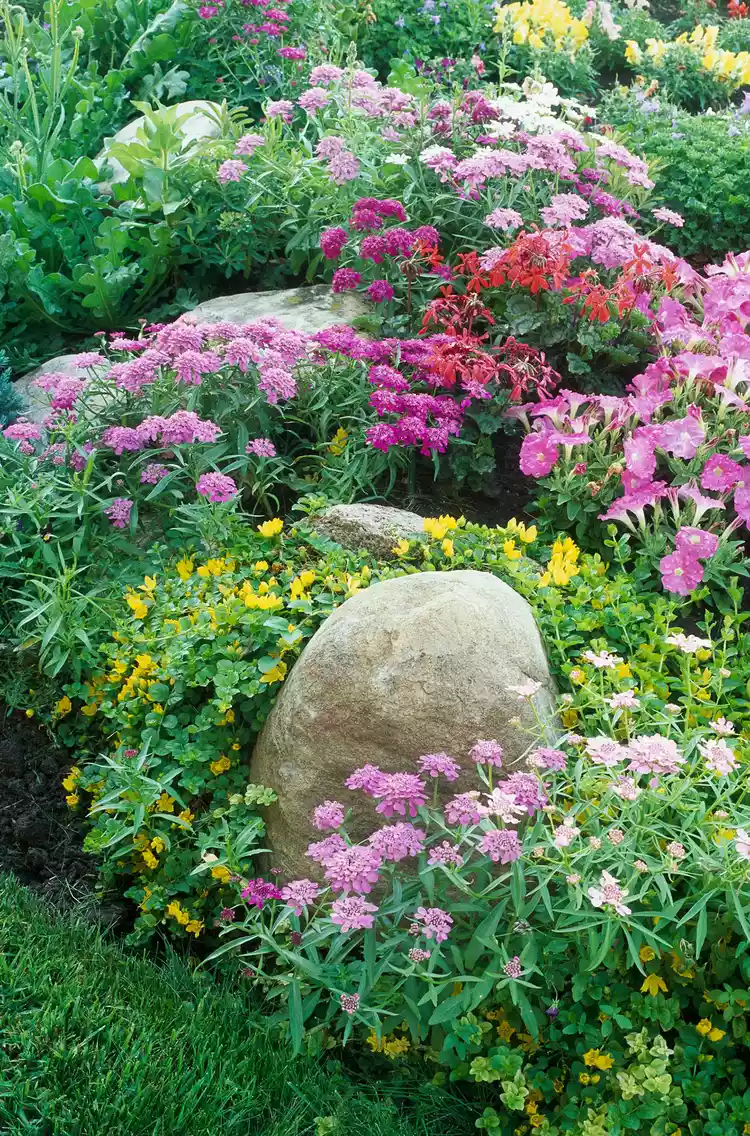
Related Article

6 Tips for Creating a Low-Maintenance Cottage Garden
22.5K
1.3K
283

6 Tips for Creating a Low-Maintenance Cottage Garden

Cottage gardens are intentionally casual. Go big on color, but light on labor with this classic, informal garden style.
How to Use a Compost Tumbler to Turn Scraps Into Garden Nutrients
1.8K
165
62

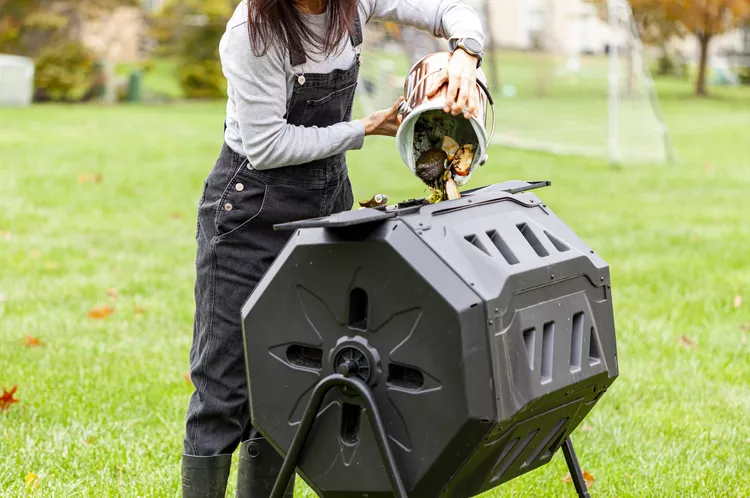
How to Use a Compost Tumbler to Turn Scraps Into Garden Nutrients

Learn how to use a compost tumbler to quickly turn your kitchen waste into valuable organic matter for your plants.
15 Easy Annuals You Can Grow from Seed
7K
556
61

15 Easy Annuals You Can Grow from Seed

Find out which annuals are easy to grow from seed for their beautiful flowers, along with tips on when and how to sow them.
How to Grow Basil Indoors to Enjoy All Year Long
30K
898
350

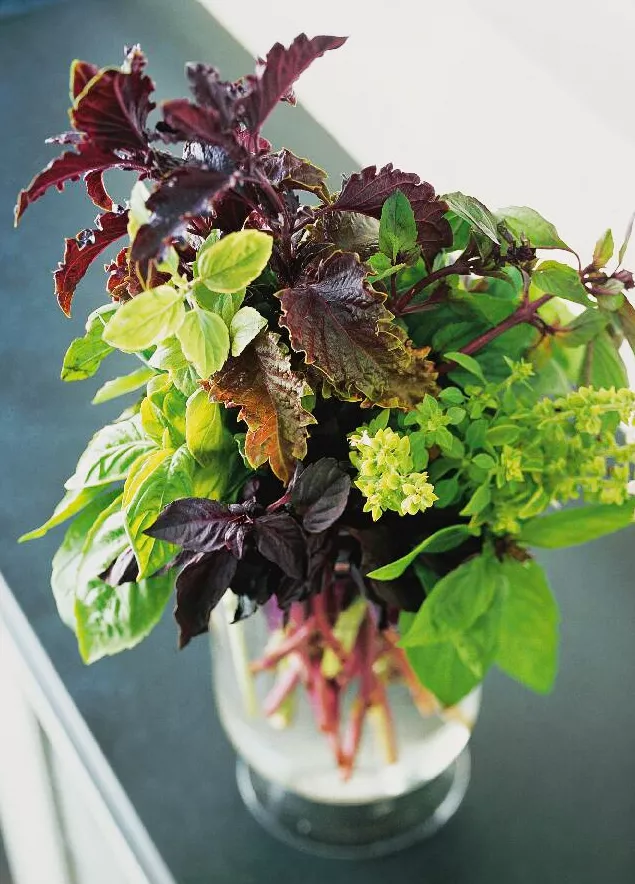
How to Grow Basil Indoors to Enjoy All Year Long

Growing basil indoors is easy to do from seeds or cuttings. Learn how to grow basil indoors in potting mix or water.
The 10 Best Types of Gourds to Grow for Decor, Crafts, and More
44.7K
1.8K
447

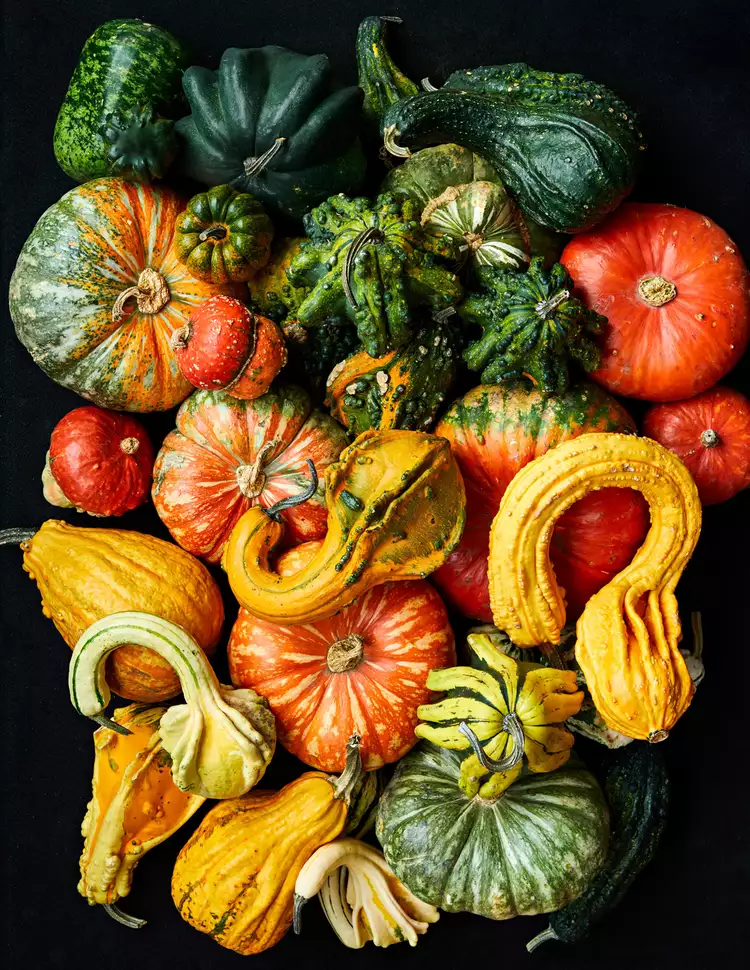
The 10 Best Types of Gourds to Grow for Decor, Crafts, and More

Types of gourds come in many colors, shapes, and sizes. Find the best ones to grow in your garden, how to harvest gourds, and what to use them for.
21 Best Vegetables to Grow in Pots
22.8K
1.1K
136

21 Best Vegetables to Grow in Pots

Choose from these vegetables to grow in pots to enjoy plenty of homegrown produce even from a small space. From petite tomato plants to mini melons, this list includes 21 tasty options that will thrive in containers.
7 Tomato Plant Pests and How to Get Rid of Them
23.1K
461
138

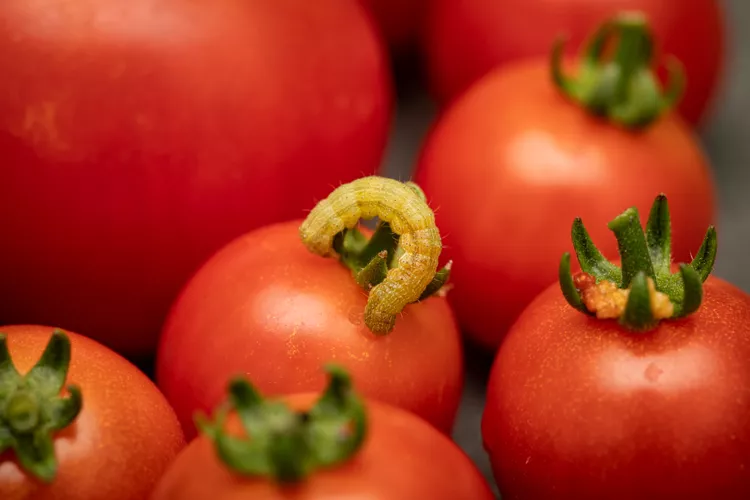
7 Tomato Plant Pests and How to Get Rid of Them

These tomato pests can take a big bite out of your harvest. Use these tips to keep them under control.

8 Expert Tips on How to Keep Squirrels Out of Bird Feeders
30.7K
3.1K
983

8 Expert Tips on How to Keep Squirrels Out of Bird Feeders

These tips from experts on how to keep squirrels out of bird feeders ensure a cleaner outdoor space and only birds at your feeder.
What Are Leafhoppers and How to Get Rid of These Pests
49.2K
1.5K
664

What Are Leafhoppers and How to Get Rid of These Pests

Leafhoppers can damage plants and spread diseases, but there are several ways to control these insect pests. Find out the best ways to get rid of leafhoppers and prevent infestations organically with these tips.
How Can I Stop Woodchucks From Eating My Flowers and Plants?
31.7K
2.9K
656

How Can I Stop Woodchucks From Eating My Flowers and Plants?

How do I stop woodchucks from eating my flowers and plants?
How to Plant and Grow Begonias
46K
3.2K
741

How to Plant and Grow Begonias

Learn how to grow versatile begonias for an easy-care addition to your garden design.
How to Press Flowers for a Pretty Memento You’ll Want to Display
29K
289
34

How to Press Flowers for a Pretty Memento You’ll Want to Display

Preserve your favorite flowers by pressing them with materials you have around your house.
10 Red Flowers for Big, Bold Color in Your Garden
31.6K
2.8K
397

10 Red Flowers for Big, Bold Color in Your Garden

Add an eye-popping assortment of red flowers to your garden, and you'll be thrilled with the bold color they add to your landscape.
23 Plants with Silver Foliage to Help Your Garden Shine
45.5K
2.7K
1K

23 Plants with Silver Foliage to Help Your Garden Shine

Silver leaves set off more colorful flowers and brighten your landscape. Here are the best plants with silver foliage to grow.
15 Rooftop Plants That Will Elevate Your Your Garden
48.8K
1.5K
570

15 Rooftop Plants That Will Elevate Your Your Garden

From groundcovers to shrubs and small trees, these top-notch rooftop plants thrive despite tough growing conditions such as high winds found at higher elevations.
36 Container Garden Ideas to Inspire Your Own Pretty Plantings
46.6K
2.8K
1.4K

36 Container Garden Ideas to Inspire Your Own Pretty Plantings

Use these container garden ideas to create the best-designed planter for your patio, window box, or other container planting.
Top Butterfly Container Garden Ideas
37.7K
2.3K
294

Top Butterfly Container Garden Ideas

Bring butterflies to your garden—even if you have just a deck or patio—with these easy container recipes.
10 Front Porch Planter Ideas to Drape Your Entryway in Color
25.2K
252
110

10 Front Porch Planter Ideas to Drape Your Entryway in Color

Get inspiration and tips for combining containers and plants with these front porch planter ideas to create maximum curb appeal and match your style.
The 3 Best Types of Berries to Grow in Containers, and How to Grow Them
8K
799
167

The 3 Best Types of Berries to Grow in Containers, and How to Grow Them

These essential tips for growing raspberries in pots can also be used to grow strawberries and blueberries. Here's what you need for a sweet crop.
6 Must-Know Tips on Mandevilla Care in Pots to Keep the Flowers Coming All Summer
4.2K
211
78

6 Must-Know Tips on Mandevilla Care in Pots to Keep the Flowers Coming All Summer

Mandevilla care in pots is a little different than growing these gorgeous summer-blooming plants in the ground. Use these tips to keep your potted mandevilla plant thriving and flowering all season.