Yes, Fruit Salad Trees Exist and Here’s How to Grow Them

37.9K
757
211
2025-11-04
Yes, Fruit Salad Trees Exist and Here’s How to Grow Them

A “fruit salad tree" might sound like a made-up plant, but it's actually real. Just like a fruit salad mix, these trees pack four or five kinds of fruits onto the same tree, giving it a whimsical look when harvest season nears. And for those with limited growing space, fruit salad trees can be as practical as they are intriguing.

Alternatively known as fruit cocktail trees, they are in fact multiple varieties of related fruits grafted onto a single rootstock–often a dwarf rootstock to keep the overall tree small and manageable. In other words, different stone fruits (Prunus spp.) cannot be grafted onto a single tree with citruses (Citrus spp.) because they aren't closely related enough. But related fruits such as cherries, apricots, plums, and nectarines can be grafted together. Similarly, mandarins, oranges, kumquats, and grapefruit can be grafted together. 

Types of Fruit Salad Trees

There are four types of fruit salad trees:

Stone fruit: This tree can produce apricots, peaches, plums, cherries, almonds, and nectarines. Typically, this type of fruit salad tree can be grown in USDA Zones 5-9.

Citrus fruit: A wide range of citrus fruits can be produced like oranges, lemons, limes, grapefruit, pomelos, mandarins, kumquats, and tangelos. This tree is hardy in Zones 9-11.

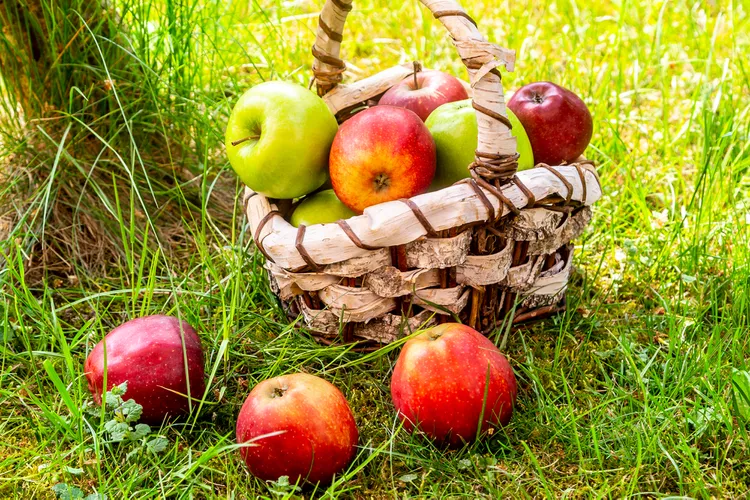
Multi apple: A variety of apples can be grown on this tree including red, green, and yellow apples. Usually, apple trees grow best in Zones 4-7.

Multi nashi: Several varieties of Asian pears can be produced from this type of fruit salad tree. Grow this tree in Zones 5-9, depending on the varieties of Asian pear grafted on the tree.

When and Where to Plant a Fruit Salad Tree

Deciduous fruit trees like apples, pears, prunes, peaches, etc., are best planted in late summer to early spring while trees are still dormant. Many deciduous fruit trees are sold “bare root,” meaning they are purchased without soil or even a pot and are meant to go directly into the ground. Conversely, evergreen fruit trees like citruses can be planted or repotted at any time of the year. However, transplanting citrus while they are flowering can lead to flower drop and reduced fruit production.

Airflow around fruit trees is also important and should be considered when a site is selected for planting. Check the tree’s nursery tag to find the final height and width of trees before planting, and be sure to leave plenty of space around the canopy for ample airflow.

Fruit Salad Tree Care Tips

With the right care, a fruit salad tree can be a treat for the whole family.

Light

As with most fruiting trees, the various kinds of fruit salad trees should be planted in full sun (at least 8 hours of direct sun per day). Shaded fruit trees will become leggy, produce fewer flowers, attract fewer pollinators, and in the end produce smaller yields of fruit.

Soil and Water

Most grafted fruit trees will require loamy, rich soils and constant moisture–especially while flowering and fruiting. Overly clay soils can lead to water stagnation and eventual root rot. Rocky soils can restrict root growth and become too dry. Heavily amending such soils with organic matter such as compost can help young trees get a good start on growth, but rarely help long-term unless significant amounts of soil are amended or replaced.

Temperature and Humidity

Fruit tree resilience varies wildly among the various species and cultivars, so care should be taken when choosing trees. Citrus, for example, do especially well in warm, humid environments, while fruits in the genus Prunus have some chill requirements for proper growth. Locations within Zones 4-8 tend to be better for stone fruits (peaches, prunes, cherries, etc.) while Zones 9-11 are best for growing citrus. 

Fertilizer

Fertilizer requirements vary depending on species, but most will benefit from an annual application once in early spring after buds begin to swell and another in mid to late summer. Avoid fertilizing in fall and winter.

Pruning

Pruning is especially important for fruit salad trees, and care should be taken to research the pruning of the various fruit species being used for the grafts. Some fruit types will grow faster than others and should be trimmed accordingly. It is always a good idea to research the individual cultivars after purchasing and be prepared for annual pruning. 

Regardless of the fruits used for the various grafts, almost all are grafted onto either seedling rootstocks or a specific kind of rootstock that impedes the growth of grafts, thereby dwarfing the trees. Care should be taken to never cut grafts back to the rootstock or risk losing them entirely. Further, rootstocks usually produce inferior fruits as they’re grown for alternative purposes. Any watersprouts (growths from the rootstocks, often at the base) should never be allowed to grow and should always be trimmed off. 

Dealing with Pests and Diseases

Pests vary by grafts used, but all fruit trees commonly used in fruit cocktail trees are prone to disease. Giving trees ample light exposure, annual fertilizer applications, adequate airflow, and regular water will cut down on the risk of trees becoming infected. 

As with all edible plants, it's best to use organic pesticides. These include neem oil, copper spray, and pyrethrin, which are effective at treating most diseases found in the home garden. Use of nonorganic sprays should be used with extreme care. Never use systemic pesticides that are poured onto the soil and taken up by the tree’s roots and transported throughout the tree, including into the fruit. 

Companion Plants

Planting companion planting directly under fruit trees is not desirable as it can lead to competition for water and feed while also limiting airflow around trees. However, planting a wide variety of flowers around fruit trees will help attract pollinators to the area and assist in the proper pollination of the tree. 

Many fruit trees need to be cross-pollinated by a select group of cultivars for proper pollination. Planting additional fruit trees in your garden will help to ensure the pollination of your fruit salad tree, provided they are cultivars recommended for cross-pollination. Ask your vendor for a list of preferred pollinators.
Frequently Asked Questions

  • Can fruit cocktail trees be grown indoors?

    Most fruit trees need to be chilled over winter and therefore do not do well indoors. Citrus, however, do not go through a dormancy period and can be grown indoors over the winter. Taking your citrus trees outdoors after the risk of frost during the growing season will help to boost the vigor and health of your trees. If your citrus bloom while indoors, flowers must be pollinated by hand using a paintbrush or similar device for fruit to be produced.

  • How long do fruit salad trees grow?

    Under ideal conditions, fruit salad trees can grow and produce fruit for many, many years. That said, over time some grafts may begin to fail and cease to grow. This is common with grafted trees, but proper pruning can help increase the health of individual grafts and extend their lifetime. Losing grafts is the most common due to a lack of pruning or overly aggressive pruning.

  • Where do I find a fruit salad tree?

    Most nurseries will have a wide variety of fruit trees in stock during the planting season, but online nurseries can be especially helpful when looking for specific types of fruits. Speak with your local nurseries in late summer to order your trees if they are otherwise not in stock.

Related Article

6 Tips for Creating a Low-Maintenance Cottage Garden
22.5K
1.3K
283

6 Tips for Creating a Low-Maintenance Cottage Garden

Cottage gardens are intentionally casual. Go big on color, but light on labor with this classic, informal garden style.
How to Use a Compost Tumbler to Turn Scraps Into Garden Nutrients
1.8K
165
62

How to Use a Compost Tumbler to Turn Scraps Into Garden Nutrients

Learn how to use a compost tumbler to quickly turn your kitchen waste into valuable organic matter for your plants.
15 Easy Annuals You Can Grow from Seed
7K
556
61

15 Easy Annuals You Can Grow from Seed

Find out which annuals are easy to grow from seed for their beautiful flowers, along with tips on when and how to sow them.
How to Grow Basil Indoors to Enjoy All Year Long
30K
898
350

How to Grow Basil Indoors to Enjoy All Year Long

Growing basil indoors is easy to do from seeds or cuttings. Learn how to grow basil indoors in potting mix or water.
The 10 Best Types of Gourds to Grow for Decor, Crafts, and More
44.7K
1.8K
447

The 10 Best Types of Gourds to Grow for Decor, Crafts, and More

Types of gourds come in many colors, shapes, and sizes. Find the best ones to grow in your garden, how to harvest gourds, and what to use them for.
21 Best Vegetables to Grow in Pots
22.8K
1.1K
136

21 Best Vegetables to Grow in Pots

Choose from these vegetables to grow in pots to enjoy plenty of homegrown produce even from a small space. From petite tomato plants to mini melons, this list includes 21 tasty options that will thrive in containers.
7 Tomato Plant Pests and How to Get Rid of Them
23.1K
461
138

7 Tomato Plant Pests and How to Get Rid of Them

These tomato pests can take a big bite out of your harvest. Use these tips to keep them under control.

8 Expert Tips on How to Keep Squirrels Out of Bird Feeders
30.7K
3.1K
983

8 Expert Tips on How to Keep Squirrels Out of Bird Feeders

These tips from experts on how to keep squirrels out of bird feeders ensure a cleaner outdoor space and only birds at your feeder.
What Are Leafhoppers and How to Get Rid of These Pests
49.2K
1.5K
664

What Are Leafhoppers and How to Get Rid of These Pests

Leafhoppers can damage plants and spread diseases, but there are several ways to control these insect pests. Find out the best ways to get rid of leafhoppers and prevent infestations organically with these tips.
How Can I Stop Woodchucks From Eating My Flowers and Plants?
31.7K
2.9K
656

How Can I Stop Woodchucks From Eating My Flowers and Plants?

How do I stop woodchucks from eating my flowers and plants?
How to Plant and Grow Begonias
46K
3.2K
741

How to Plant and Grow Begonias

Learn how to grow versatile begonias for an easy-care addition to your garden design.
How to Press Flowers for a Pretty Memento You’ll Want to Display
29K
289
34

How to Press Flowers for a Pretty Memento You’ll Want to Display

Preserve your favorite flowers by pressing them with materials you have around your house.
10 Red Flowers for Big, Bold Color in Your Garden
31.6K
2.8K
397

10 Red Flowers for Big, Bold Color in Your Garden

Add an eye-popping assortment of red flowers to your garden, and you'll be thrilled with the bold color they add to your landscape.
23 Plants with Silver Foliage to Help Your Garden Shine
45.5K
2.7K
1K

23 Plants with Silver Foliage to Help Your Garden Shine

Silver leaves set off more colorful flowers and brighten your landscape. Here are the best plants with silver foliage to grow.
15 Rooftop Plants That Will Elevate Your Your Garden
48.8K
1.5K
570

15 Rooftop Plants That Will Elevate Your Your Garden

From groundcovers to shrubs and small trees, these top-notch rooftop plants thrive despite tough growing conditions such as high winds found at higher elevations.
36 Container Garden Ideas to Inspire Your Own Pretty Plantings
46.6K
2.8K
1.4K

36 Container Garden Ideas to Inspire Your Own Pretty Plantings

Use these container garden ideas to create the best-designed planter for your patio, window box, or other container planting.
Top Butterfly Container Garden Ideas
37.7K
2.3K
294

Top Butterfly Container Garden Ideas

Bring butterflies to your garden—even if you have just a deck or patio—with these easy container recipes.
10 Front Porch Planter Ideas to Drape Your Entryway in Color
25.2K
252
110

10 Front Porch Planter Ideas to Drape Your Entryway in Color

Get inspiration and tips for combining containers and plants with these front porch planter ideas to create maximum curb appeal and match your style.
The 3 Best Types of Berries to Grow in Containers, and How to Grow Them
8K
799
167

The 3 Best Types of Berries to Grow in Containers, and How to Grow Them

These essential tips for growing raspberries in pots can also be used to grow strawberries and blueberries. Here's what you need for a sweet crop.
6 Must-Know Tips on Mandevilla Care in Pots to Keep the Flowers Coming All Summer
4.2K
211
78

6 Must-Know Tips on Mandevilla Care in Pots to Keep the Flowers Coming All Summer

Mandevilla care in pots is a little different than growing these gorgeous summer-blooming plants in the ground. Use these tips to keep your potted mandevilla plant thriving and flowering all season.