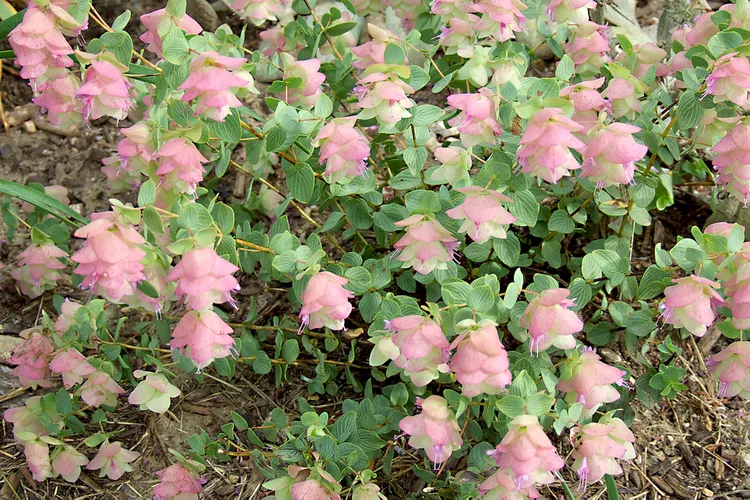
As its name implies, ornamental oregano (Origanum spp.) is grown more for its looks than its flavor. This plant offers so much texture and color that it's well worth adding to your garden. Its unusual-looking pink flowers create a gorgeous display from spring to fall. You can bring in the beauty from outside by adding the stems to dried cut-flower bouquets.
Like culinary oregano (Origanum vulgare), ornamental oregano belongs to the genus Origanum, which includes about 20 species of perennial plants and sub-shrubs. All ornamental oreganos are perennial plants, but they are often grown as annuals in USDA Zones 5 and colder. Most ornamental oreganos are low-growing plants, generally growing 6 to 10 inches tall and 12 to 24 inches wide, but some cultivars grow to 24 inches tall. The flowers are often called bracts, seed cones, or strobiles.
Ornamental Oregano Overview
| Genus Name | Origanum |
| Common Name | Ornamental Oregano |
| Additional Common Names | Cascading oregano, Hopflower oregano |
| Plant Type | Perennial, Shrub |
| Light | Sun |
| Height | 6 to 24 Inches |
| Width | 10 to 36 Inches |
| Flower Color | Pink, Purple |
| Foliage Color | Blue/Green |
| Season Features | Summer Bloom |
| Special Features | Cut Flowers, Fragrance, Good for Containers, Low Maintenance |
| Zones | 4, 5, 6, 7, 8, 9 |
| Propagation | Division, Seed, Stem Cuttings |
| Problem Solvers | Deer Resistant, Drought Tolerant |
Where to Plant Ornamental Oregano
Depending on the species, most ornamental oregano plants are hardy in USDA Zones 4-9. Each variety has different hardiness requirements, so read the plant tag and know your USDA Hardiness Zone.
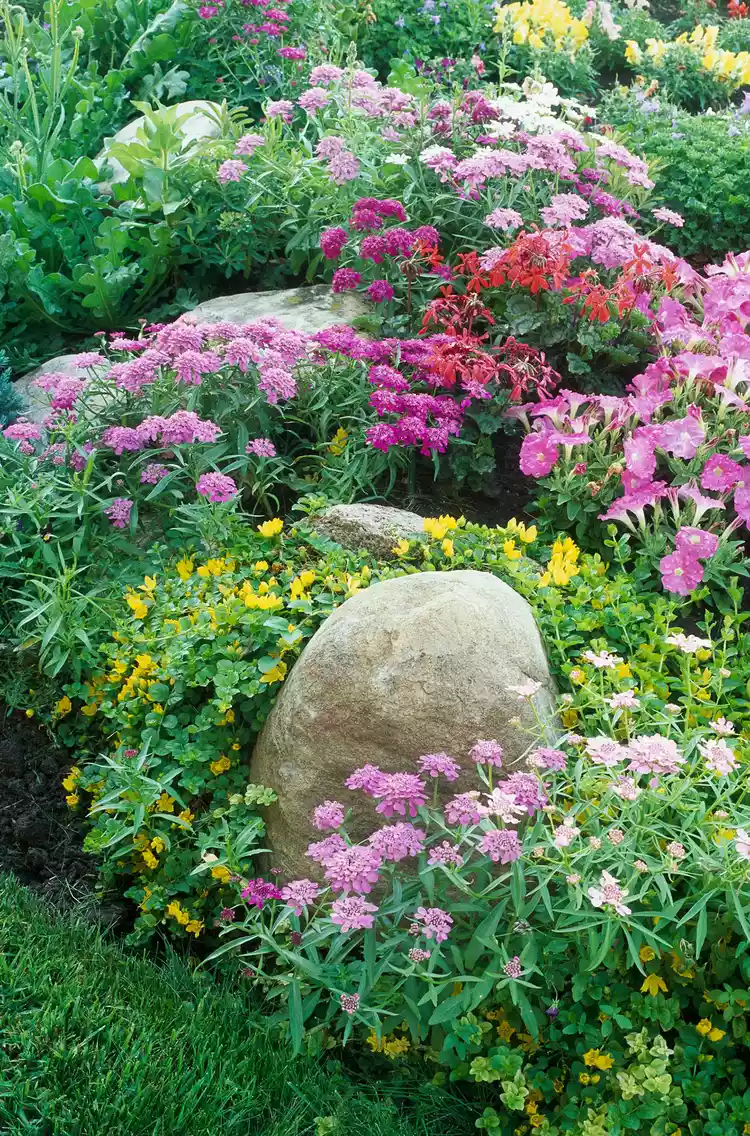
This breathtaking plant works best in rock gardens where dry to medium soil conditions can be maintained and in patio containers. Ornamental oregano makes a lovely hanging basket or trailing plant in a container garden. It is a fantastic choice for gardeners with problems with deer as they are not fond of the fragrance. It is also an excellent choice for those dealing with drought conditions in the garden.
How and When to Plant Ornamental Oregano
Finding ornamental oregano as young plants from garden centers is challenging. Your best bet is to grow by seed; call your local garden center to see if they have it in stock, or order the seed online. Although you can grow this plant from stem cuttings or divisions, growing ornamental oregano by seed is easy and the preferred method. Seeds germinate within 4 to 5 days, and the plant is mature in 14 to 17 weeks.
Grow Ornamental Oregano from Seed Outdoors
- Direct sow seeds in a prepared bed of well-draining soil when the soil and air temperature reaches 60°F to 65°F.
- Press the seeds into the soil, but don't cover them. They require light to germinate.
- Keep the soil moist but not wet until they germinate. Ornamental oregano plants prefer dry soil.
- Thin the seedlings to 12–18 inches apart, depending on variety, or follow the instructions on the seed packet.
You can also sow the seed directly into hanging baskets or patio containers filled with well-drained soil. Don't cover the seeds; just press them into moist soil.
Grow Ornamental Oregano from Seed Indoors
The best time to sow seeds indoors is four to six weeks before the outdoor weather warms to at least 60°F in your location. Sow them in seed flats or individual pots in well-draining, slightly moist potting soil. Don't cover them with soil; place them in a warm, well-lit place. After germination, transplant the most robust seedlings to the garden.
Ornamental Oregano Care Tips
Light
Ornamental oregano plants need full sun. Although the plants will live in part sun, the flower and colorful bract formation is much reduced.
Soil and Water
When young, ornamental oregano plants require moist soil, but established plants prefer a dry environment. Water them sparingly and never let them sit in soggy soil. They grow best in alkaline soil. Test your soil; if it is acidic, add agricultural lime to raise the pH.
Temperature and Humidity
Although ornamental oregano thrives in warm weather (and requires it for germination), the plants are cold hardy in Zones 4-9, depending on the variety. In general, the plants don't like high humidity.
Fertilizer
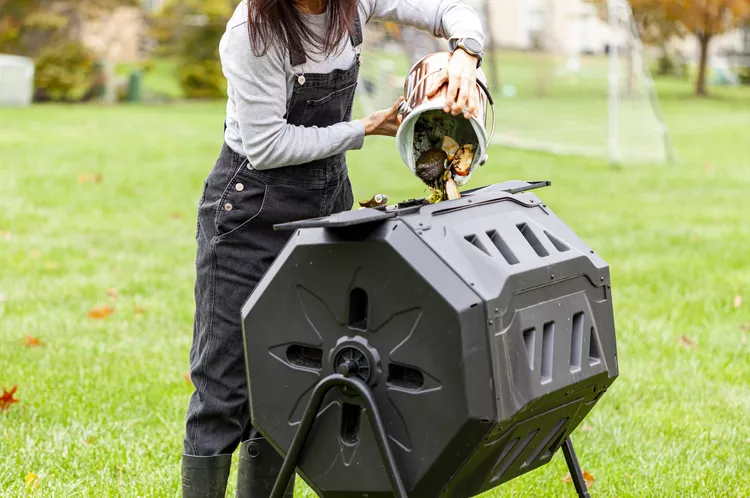
This plant doesn't need to be fertilized frequently. An annual addition of compost to the soil around your ornamental oregano plant provides all the nutrients it needs.
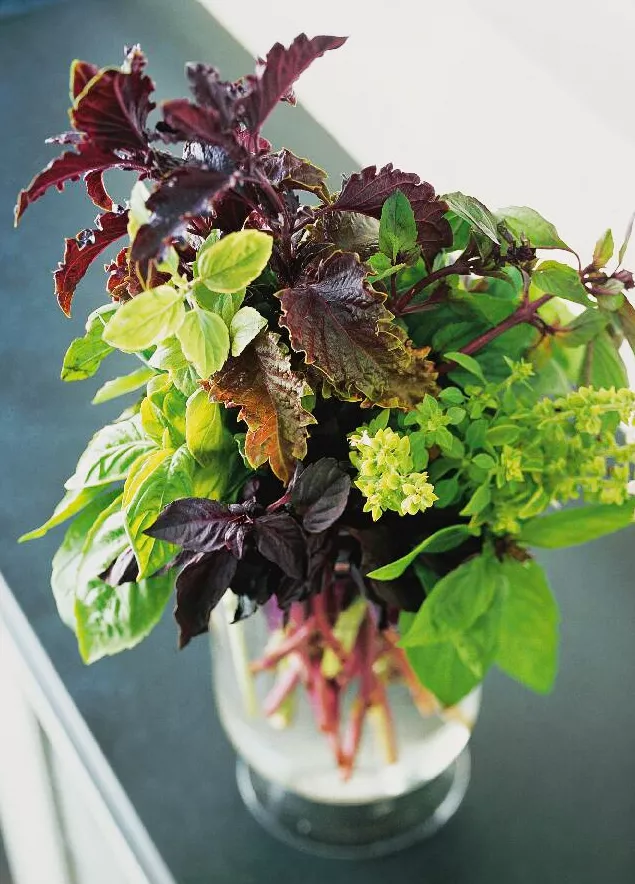
Although ornamental oregano is edible, it's not tasty because it's been specifically bred for its beauty rather than flavor. If you plan to eat it, avoid applying synthetic fertilizers (or pesticides) to your ornamental oregano.
Pruning
Remove any dead or damaged growth as it occurs. In late winter or in spring, before new growth appears, cut back the plant to about 6 inches.
Potting and Repotting Ornamental Oregano
Ornamental oregano is an excellent patio container or hanging basket plant. The container must have excellent drainage and be filled with well-draining soil, such as potting soil amended with compost. A 12-inch terra-cotta pot is usually sufficient for one plant and easy to move indoors for winter in cold areas. This plant spreads but can be cut back to remain in its pot or repotted to a larger pot with fresh soil.
Pests and Problems
Ornamental oregano plants tend to be pest-free and disease-free, but letting them sit in soggy soil encourages root rot.
How to Propagate Ornamental Oregano
Ornamental oregano can be propagated by seed, divisions, and stem cuttings.
Seed: Wait until the plant blooms and the flowers die and are crumbly. Hold a sheet of paper or a container beneath a dry flower and flick it with your fingers to release the seeds, which fall to the paper or container. Store them in a paper envelope placed in a cool, dark area until spring, when you can direct sow them in the garden or containers or start them inside (see How and When to Plant Ornamental Oregano, above).
Division: In spring, lift the ornamental oregano plant and root ball from the soil. Use a sharp knife to cut the plant into two or three sections containing roots and foliage. Immediately replant the sections in prepared garden soil or containers and water them.
Stem Cuttings:
- In spring or early summer, use sharp scissors or pruners to take 3–5 inch cuttings with leaf nodes.
- Remove the leaves and buds from the lower half of the stem, but leave at least two leaves at the top of the cutting.
- Dip the cuttings in rooting hormone.
- Select a small pot with a drainage hole for each cutting and fill it with sandy, well-draining potting soil.
- Poke a small hole in the planting medium and insert the cutting, being careful not to scrape off the rooting hormone.
- Moisten the soil and place the pots in a bright area like an east-facing window.
- Check the cuttings regularly and water lightly when the soil is dry.
Once the cuttings have rooted and show healthy new growth, transfer them to larger garden containers. The plants can be moved outdoors or transplanted into garden soil when the nighttime temperature is between 60°F and 65°F. If you live outside the plant's hardiness zones, move them indoors in winter or replant yearly.
Types of Ornamental Oregano
'Kent Beauty'
Origanum 'Kent Beauty' is prized for its unique, cascading pink bracts that mimic hop flowers. This variety of ornamental oregano blooms from summer to fall. It reaches only 6 to 9 inches tall and 8 to 12 inches wide, making it an extremely versatile plant. The foliage is fragrant, like the foliage of its culinary cousin. Zones 6-9
'Kirigami'
Origanum 'Kirigami' is a fabulous ornamental oregano variety covered in rich, rosy-purple blooms from late spring through summer. This plant cascades beautifully over the edges of patio containers, hanging baskets, and rock gardens. It reaches 8 to 10 inches tall and trails up to 12 to 24 inches. Zones 5-8
'Drops of Jupiter'
Origanum 'Drops of Jupiter' features chartreuse-yellow foliage and bloom clusters of pink with purple sepals. It grows to 24 inches tall and 36 inches wide. Zones 4-9
'Herrenhausen'
Origanum laevigatum 'Herrenhausen' is an ornamental oregano that grows to 24 inches tall and wide with purplish-pink flowers. This shrubby plant blooms from June to September in Zones 5-9.