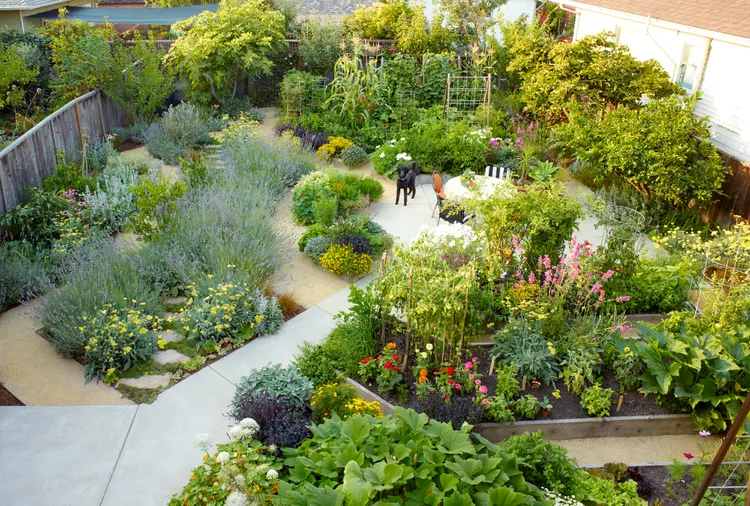
Imagine entering a garden that revitalizes all five of your senses. This is what makes a sensory garden distinct in comparison to traditional outdoor spaces. In such a garden, perhaps you'll see a lively rhythm of colors dotting the landscape as you hear the song of nearby birds on the way to your herb garden. There you'll be encased in the scent of rosemary as you feel the spikiness of the fresh-cut sprigs in your hands that you'll use to flavor your home-cooked meal.
It's possible to enjoy nature in this unique way on a daily basis and create a sensory garden that provides respite from a hectic day. "A sensory garden is one that immerses you in nature by invigorating your five senses (smell, taste, touch, sight, and sound), says Meredith Gaines, Senior Plant Expert at Fast Growing Trees.
The best part: it's a garden concept anyone can create, no matter the size or shape of your space or your skill level. However, structuring an outdoor space to target all five senses can be a major undertaking. So before you start, use this guide and tips from garden experts to discover the best ways to design a sensory garden you'll enjoy for years to come.
Consider Your Lifestyle
First, to tailor a sensory garden fit for your needs, think through your lifestyle. For example, "If you’d like to take on the day with more vigor, consider a sensory garden that incorporates hot colors (Kniphofia uvularia or crocosmia are excellent examples) to excite the eye and revitalize you," says Marissa Angell, licensed landscape architect and owner of Marissa Angell Landscape.
Conversely, if you have a high-stress occupation, look for aromatic plants and fragrant flowers to soothe you. Age plays a role, too, because as we age, "bright colors and contrasts within color palettes are easier to enjoy," Angell adds.
Include Plants for Multiple Senses
Next, assess the value of each plant you add, says Gaines, by ordering "your plants into the five sensory categories." As you sort, many plants will overlap in the category they fulfill, which is an added bonus for maximizing a sensory garden in a small space.
Angell agrees. "You can engage multiple senses even in a very small space with just a few plants." For example, when designing a sensory garden in Provincetown, Massachusetts, Angell focused on appealing to sight, sound, touch, and scent. She included "contrasting forms and colors of scented rosemary (Rosmarinus sp.), soft feathery foliage of yarrow (Achillea millefolium), spiky and tawny feathergrass (Stipa tenuissima), and the warm fall color of threadleaf bluestar (Amsonia hubrichtii)."
Marissa Angell
Wind moving through grasses and soft leaves highlights the textural and timbral variations in sound throughout a garden. Stipa tenuissima, or Mexican feathergrass, and Populus deltoides create lovely sounds when wind blows through them. Planting native species will invite hungry, noise-making pollinators to your garden on a rotating basis.
Think About Your Audience
Before reaching the purchasing stage, take this final step to ensure your sensory garden is successful. Think: who will use your garden? "Children? Anyone who is mobility impaired or whose senses may be compromised? Yourself? Accounting for who will engage in your garden will help you fine-tune your species selection and the height you maintain your plantings," says Angell.
To simplify this process, Angell recommends choosing plants with more than one season of interest to engage your desired senses for as much of the year as possible. And if you have little ones, incorporate "tasty, edible plantings, as well as those that feel good to touch." Both of these sorts of plants "can be used as a means of educating the children in your life about the plants we grow," she adds. Lastly, when engaging those with disabilities, place your plants at a wheelchair-accessible height or focus on fragrant or tactile plants for the visually impaired.
When choosing plants, consider anyone with allergies or pets in your household to avoid exacerbating symptoms or creating a potentially dangerous environment.
Best Plants for a Sensory Garden
When designing your sensory garden, the ultimate goal is to create a space that makes you feel good, so it's best to feature plants you love. Still, creating a beautiful and functional sensory garden requires a solid foundation, which you can achieve using Angell and Gaines's recommendations below.
Sight
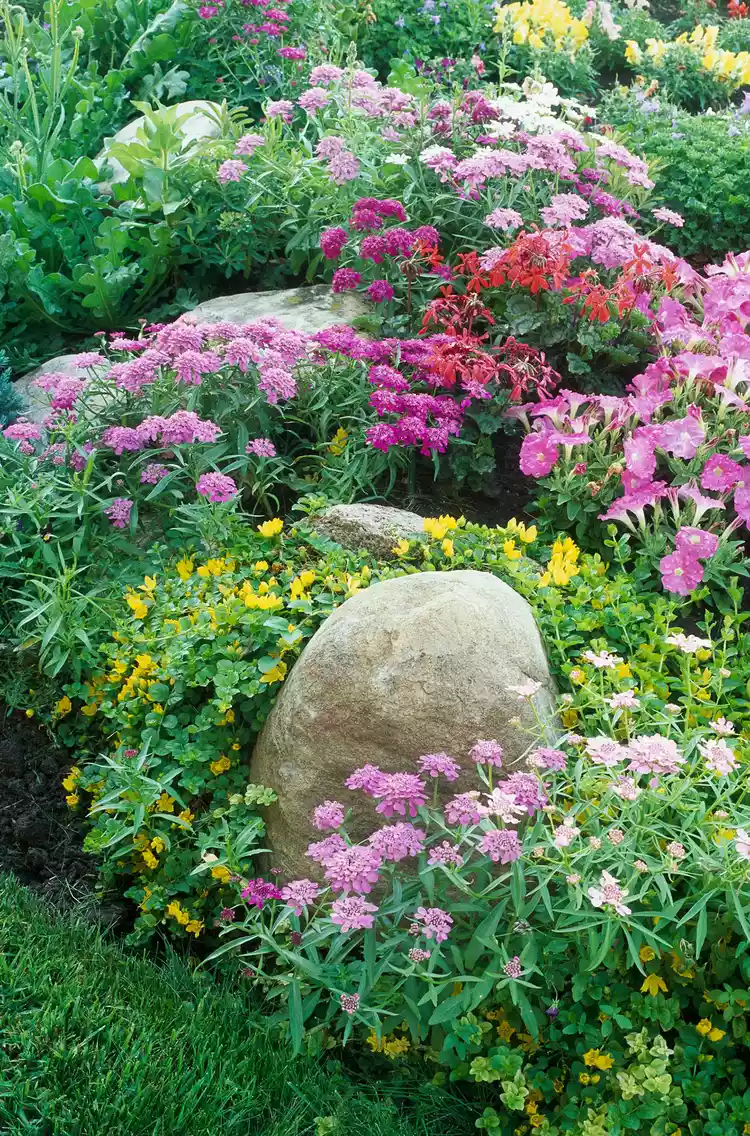
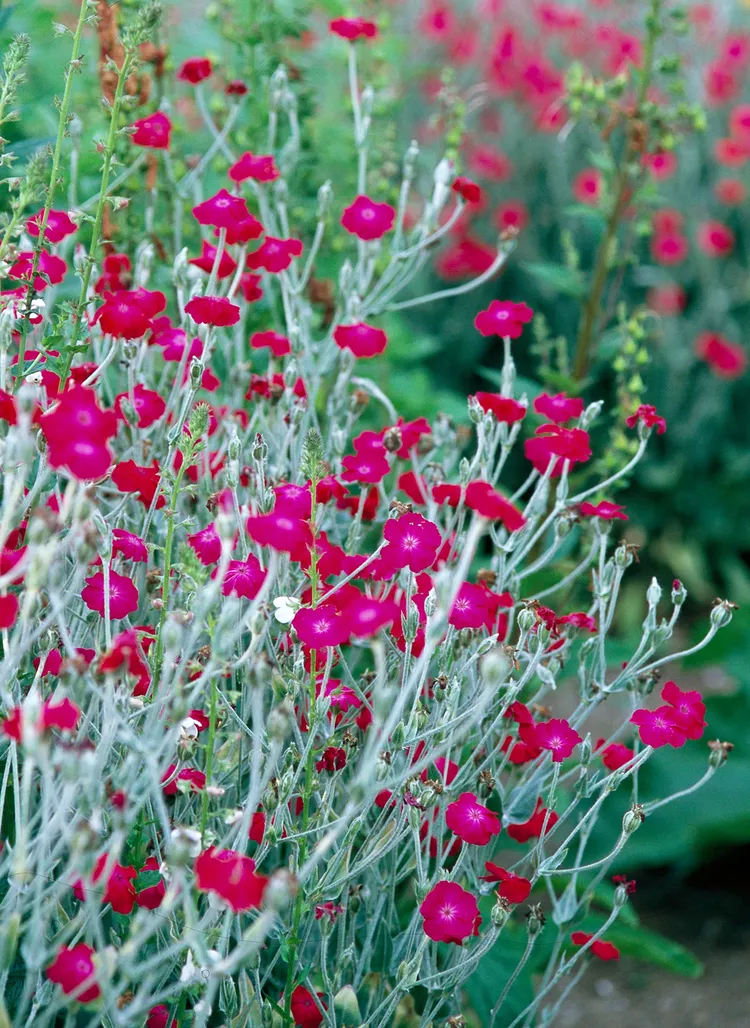
As a general rule of thumb, cool-toned blues and purples calm the senses, while warm hues like reds, oranges, and yellows excite. Injecting various hues and mixing shades, tints, and tones of each color can draw your eye in. Your color can come from flowers or foliage, so experimenting with contrasting plant silhouettes can be a powerful sensory tool.
Examples:
- Tall, airy pale purple coneflowers (Echinacea pallida) with the soft, mounded form of prairie dropseed (Sporobolus heterolepis).
- Spiky plants like sea holly (Echinops spp.) or rattlesnake master (Eryngium spp.) mixed with plants that have smoother, rounded shapes.
Sound
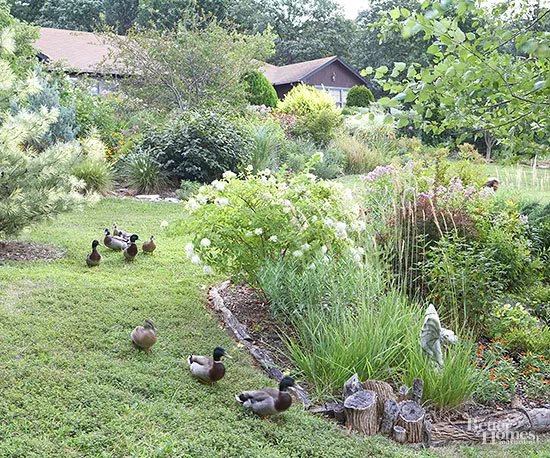
Consider your local wildlife by scouting plant species that support your local songbirds or choosing plants like grass that rustle in the wind. Seek out plant species that support your local songbirds or choose plants like ornamental grasses that rustle in the wind.
Touch
For touch, add soft, fuzzy plants to your sensory garden. Consider plants with various tactile features such as velvety leaves and stems, airy growth habits, and fluffy seed heads.
Examples:
- Lamb's ears (Stachys byzantina) offers large, fuzzy leaves.
- Dusty miller (Jacobea maritima) has a soft, bouncy shape.
And while slightly rough textures can be interesting to include, make sure to avoid anything that could cause injury. "Sensory gardens are supposed to be interactive, so stay away from anything that might have thorns or other things that aren't pleasant to touch," says Gaines.
Marissa Angell
Water entices sight, sound, and touch. If you have a large backyard, perhaps a fountain or a pond is a possible feature. For city dwellers, desk fountains or even a small bowl or bucket filled with a solar-charged recirculating pump that sits atop the water line are great small-space solutions for balcony gardens.
Smell and Taste
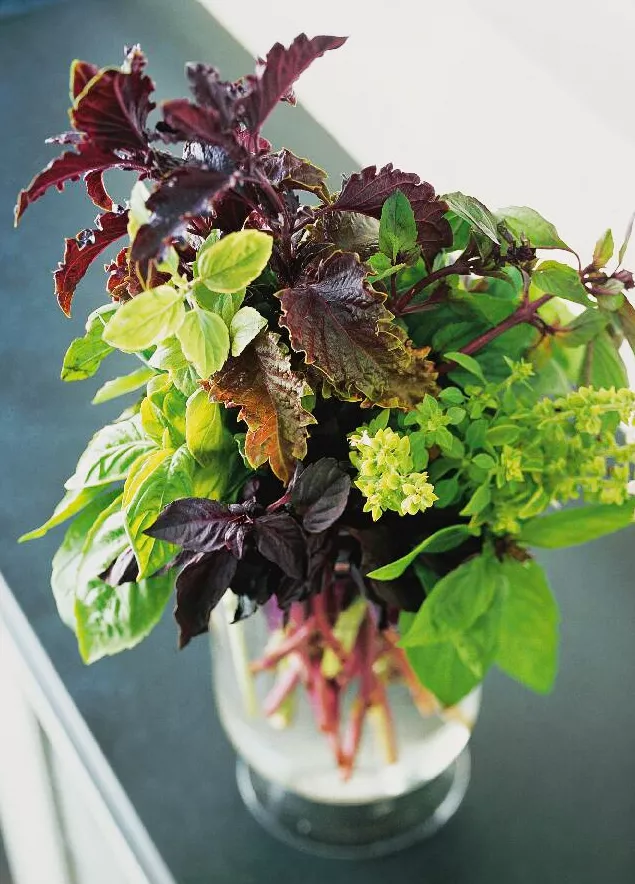
Edible plants and herbs are the obvious choices for smell and taste. For example, herbs like thyme and lavender can make beautiful garden plants that give off an enticing aroma. And they can engage the taste buds, too. Or tuck in some alpine strawberries or cucamelons that are easy to snack on right in the garden.
Sensory Garden Design Tips
1. Match plants to your growing conditions.
A sensory garden is meant to be an enjoyable, relaxing space, so you don't want to be stressing about caring for plants that are struggling. Angell advises steering clear of plants that aren't adapted to your space’s environmental constraints, e.g. moisture levels, sun exposure, and soil type. "It’s important to select plants that will thrive in your space. Ultimately, the healthier the plants, the more you can expect from their inherent sensory qualities," Angell says.
2. Take your time.
Enjoy the planning process rather than rushing to the end result, advises Gaines. "There is no timeline or set format to your garden; add and take away as you please to truly make the space your own and one of a kind," she says. Above all, it's key to research your plants and their needs before committing to any species. Choosing plants based on what your environment can nurture and what you can realistically maintain will yield the most successful sensory garden.
3. Embrace seasonal changes.
Plants are highly seasonal and will not look or act the same all year round, says Gaines. Rather than seeing this as a problem, she points out that this is an opportunity to "enjoy the new senses replacing the older ones as the seasons change. You can even double up on senses to have them year-round, like a camellia that gives bright visual interest in the winter with its flowers instead of only visual interest in the warmer months," says Gaines.
And as you create your sensory garden, keep an open mind and experiment with different types of plants. You may find yourself in a trial-and-error period, fine-tuning your arrangement for several seasons before finishing your design. You may also add and subtract in phases by starting with a foundation and layering in plants (or sensory techniques) based on any gaps you experience. Angell agrees, noting that "by definition, a sensory garden must be experienced before any conclusions can be made."