
For anyone growing seedlings in the garden, knowing how to get rid of cutworms is going to come in handy. Cutworms aren’t as well known as tomato hornworms and cabbage loopers, but these voracious little caterpillars do a lot of damage to vegetable gardens. Unlike hornworms, cutworms are generalist feeders that target a wide range of crops, and they’re particularly problematic for seedlings and young transplants.
When they strike, cutworms bite off seedling stems at the soil line, causing rapid plant wilting and death. However, these tips on how get rid of cutworms will help you protect seedlings through proper garden maintenance and organic treatment methods.
What Are Cutworms?
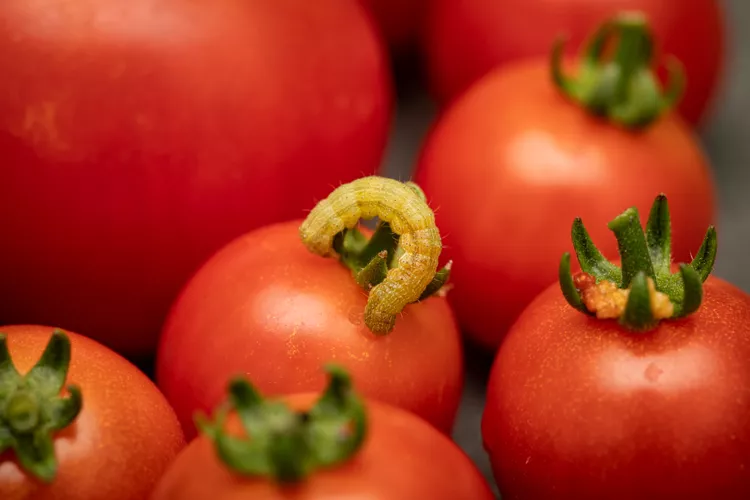
Cutworm caterpillars are the larvae of several species of moths. Because there are many varieties, they don’t all look the same. Cutworms have smooth, hair-free bodies that can be striped, spotted, or colored in shades of gray, brown, green, black, tan, or pink. Full-sized cutworms are about 2 inches long and have a curious habit of dramatically curling into a C-shape when disturbed.
After pupating, cutworms emerge as adult moths, which are brown to black in color and measure 1 to 1 ½ inches long. Adult moths lay their eggs on plant debris from spring through fall; the cutworm eggs overwinter outdoors in the soil and reemerge in spring. Both adult moths and larval cutworms are primarily nocturnal; however, the adults don’t feed on plants.
Small populations of cutworms don’t do much damage, but a large number of cutworms can wreak havoc on vegetable gardens. These pests aren’t picky about what they eat, and they can damage a wide variety of plants, including:
- Cabbage and other brassicas
- Tomatoes and other nightshades
- Asparagus
- Beans and peas
- Lettuce
- Carrots
- Celery
- And sometimes turf grass
Identifying Cutworm Damage
As their name suggests, cutworms feed on plants at the soil line and often “cut” right through tender plant stems and cause plants to topple over. Cutworms also feed on plant roots and sometimes climb and nibble on leaf petioles and growing plant shoots on the upper portion of plants.
The most common signs of cutworm activity include:
- Transplants and seedlings with damaged stems cut off at the soil line
- Outdoor seedlings and transplants that wither quickly, even when they’re watered thoroughly
- Young seedlings that disappear overnight
- Healthy plant leaves that are clipped off without other signs of damage
- Holes and cavities bored into tomatoes, potatoes, cauliflowers, and other crops
- Cutworm frass beneath affected plants
Cutworm activity is most pronounced at the beginning of the season, but some species of cutworms remain active throughout summer and into fall. Cutworm damage is sometimes confused with the damage caused by slugs and snails. However, cutworms don’t leave behind silvery slime trails, and holes caused by cutworms are typically smaller than the damage left by slugs and snails.
Tips to Naturally Prevent Cutworm Damage
Keep cutworm activity in your garden down to a bare minimum with these tips.
1. Keep gardens tidy.
Cutworms can overwinter in old plant debris, so clean up your garden in the fall if you’ve struggled with cutworms during the growing season. Destroy any infected plant matter by burning it or bagging it and throwing it in the trash. When spring arrives, rotate your crops and consider installing floating row covers to prevent cutworm moths from landing on vulnerable veggies and laying their eggs.
2. Handpick cutworms.
One of the best ways to manage an existing cutworm infestation is to handpick cutworms and drop them into a bucket of soapy water. For best results, head out in the evening or after dark with a flashlight and scan around the base of damaged plants for cutworms. If you don’t see cutworms right away, brush your hand against the soil to see if any cutworms move about and curl up into C-shaped balls.
3. Use plant collars.
Plant collars act like a barrier around seedling stems, shielding young plants from cutworms that may be at work in the soil. Typically, plant collars are made of 4-inch-long pieces of cardboard or aluminum foil. They’re partially sunk into the soil to loosely encircle plant stems. Install the collars when you transplant the seedlings into the garden. Remove them later in the season when cutworms are less active and the plants are well-established.
4. Experiment with companion planting.
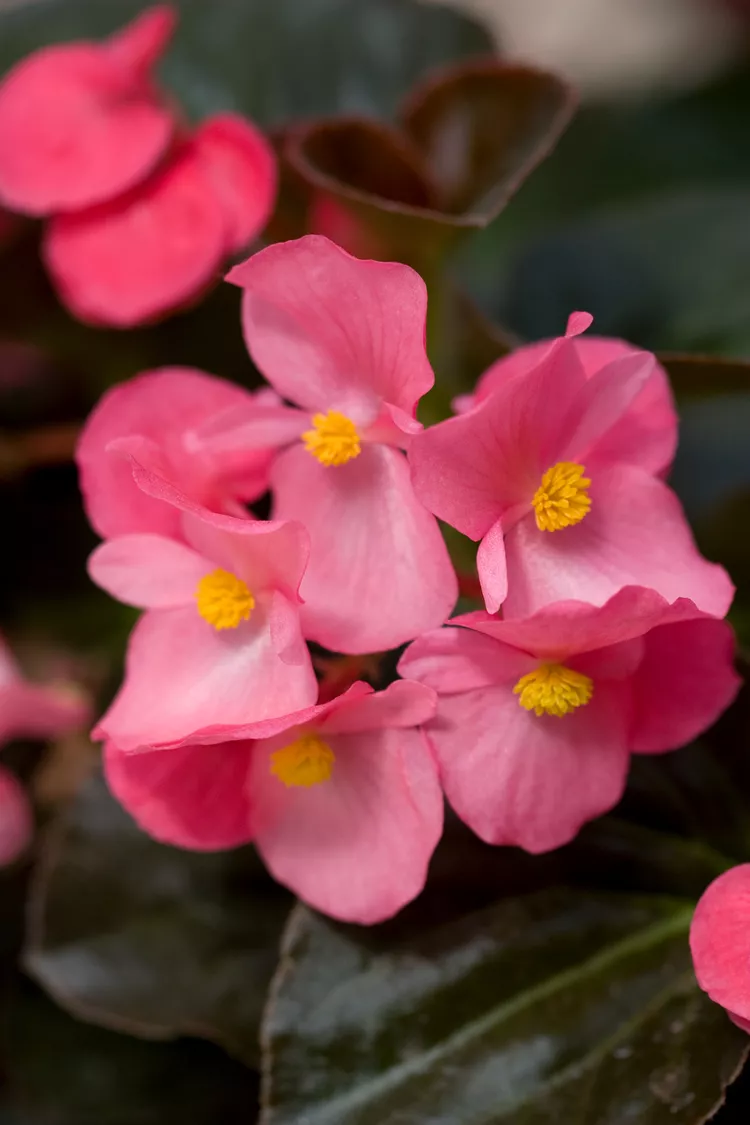
Companion planting with the right plants is an important tool for organic gardening. Marigolds, for example, are known to repel cutworms, and growing these flowers near vulnerable vegetables can keep your garden pest-free. You may also want to grow flowering herbs like dill, cilantro, or parsley near your vegetables, as herb flowers attract predatory wasps and other insects that feed on cutworms.
5. Attract natural predators.
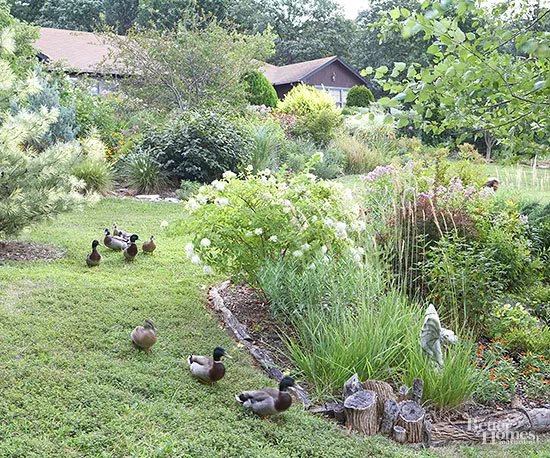
Predatory insects aren’t the only critters that hunt cutworms; wild birds also love eating cutworms. Installing bird feeders and a bird bath or other water element near your garden will attract a variety of birds that will happily patrol your garden beds and gobble up any insects they find.
6. Delay transplanting.
Cutworms are most active in early spring when they wait patiently in the garden for tender young seedlings to be appear after the long winter. However, if you wait a few weeks to transplant vegetables into your outdoor beds, the cutworms are usually less active, and the plants are less likely to be targeted.
7. Till the soil.
If you struggled with severe infestations of cutworms in the past, a well-timed tilling of the soil may be in order. Tilling gardens in either spring or fall exposes cutworms to the air and makes them easier for birds to spot.
8. Try organic pesticides.
Cutworms can usually be managed with handpicking and garden maintenance, but if you need to resort to pesticides, choose organic options that are less damaging to pollinators. Thuricide BT is an organic pesticide you can spray on affected plant leaves to kill off pest caterpillars, and sprinkling diatomaceous earth around the soil line prevents cutworms from crawling onto young plants. Even these organic products can harm pollinators if they’re improperly applied, and they should never be used directly on flowers. Always follow label directions for any pesticide.