How to Spot 5 Common Plant Diseases and Keep Your Garden Healthy

4.4K
442
190
2025-10-31
How to Spot 5 Common Plant Diseases and Keep Your Garden Healthy

Plant diseases are likely to make an appearance in just about any garden from time to time. Most are nothing to worry about and can be avoided or minimized by giving your plants the right care and choosing resistant varieties. Other diseases can mean game over, no matter what. It's essential to have a basic understanding of the plant diseases you're up against to decide how best to deal with them. Here's what you need to know about the most common plant diseases you'll likely encounter and how to prevent or treat them.

What Causes Plant Diseases?

Bacteria, viruses, and fungi cause most plant diseases by being transported to a vulnerable host, such as a stressed plant. Ideal conditions (e.g., humid, dry, or cloudy) allow the disease to develop.

Bacteria are single-celled organisms that live on various kinds of organic matter. Unable to survive in the open, bacteria live inside plants and are transferred plant to plant by insects, water, and hands. Fungi live on plants and cause visible symptoms. Viruses are the smallest of disease vectors and the most difficult to control. Insects typically spread plant viruses, but some are spread by infected tools and seeds.

1. Leaf Spots

Leaf spots are one of the most common symptoms of plant disease, whether caused by bacteria, fungi, or viruses. Other symptoms of these diseases include sudden wilting, ragged or curling leaves, deformed flowers or fruit, generally discolored or mottled foliage, and poor growth. For example, one type of leaf spot disease that is easy to identify is black spot, which causes dark splotches on leaves and leaf drop, mostly on roses.

Leaf spots tend to appear and spread during extended periods of wet weather. Provide good air circulation around plants to encourage foliage to dry quickly. Also, when watering plants, deliver water to the base of the plant, keeping the foliage as dry as possible. A drip system or a watering wand set on a gentle spray can help direct water just to the soil.

2. Mosaic Virus

Symptoms of mosaic virus include yellow or green mottled patterns on the infected leaves. Leaves may also be distorted, cupped, or curled. Peonies and other plants affected by this or other viruses should be destroyed to prevent the spread of this incurable plant disease. Avoid planting susceptible plants in the same spot.

3. Powdery Mildew

This fungal plant disease looks like a white powder on leaves and stems. It thrives during dry, humid weather, and can impact lots of different plants such as squash and lilacs. Prevent powdery mildew by choosing resistant plant varieties and spacing plants adequately during planting. Ample space between plants will allow for air circulation, discouraging the growth of powdery mildew.

4. Rose Rosette Disease

This viral plant disease is spread by a minuscule mite. Rose rosette disease cannot be prevented or cured. The best course of action is to remove infected rose plants as quickly as possible. Symptoms include thick, reddish new stems with many times the normal number of thorns. There is often a large flush of growth at the end of the infected stems.

5. Rust

Rust is caused by several fungus species that each have specific plant hosts (for example, cedar-apple rust only attacks apple trees and plants in the cedar family but needs both species to complete its life cycle). Rust appears on leaves as orange, gold, or brown-red spots. This disease mostly just looks bad and doesn't cause lasting harm to the plant. Give susceptible plants proper care and they should naturally overcome a rust outbreak.

How to Prevent Plant Diseases

Preventing pathogens from getting a foothold in the first place is the best defense. Smart disease-prevention strategies include:

  • Selecting disease-resistant plant varieties.
  • Placing plants far enough apart to allow air to circulate freely, which helps dry leaves more quickly.
  • Properly caring for susceptible plants (growing them in the recommended amount of sun, keeping them well watered, and not over- or underfertilizing them).
  • Regularly treating healthy leaves of susceptible plants with a homemade fungicide made by combining 1 teaspoon of baking soda and 1 teaspoon of horticultural oil in a quart of water.
  • Removing diseased plant parts or the entire plant as soon as possible.
  • Never adding diseased plants to your compost pile, which may not get hot enough to kill pathogens.

Get Rid of Insects on Your Plants

Some plants are more susceptible to specific insect infestations than others. Tomato hornworms can destroy your crop, so knowing how to identify and eliminate these pests is helpful. Aphids are a common problem exacerbated by poor soil or plant overcrowding. Add ladybugs to your garden to help control them. If you spot an army of ants climbing on your citrus trees, here's what to do to get rid of them (though they won't do any damage). Insects are always present in a garden—knowing the difference between beneficial ones and those that cause damage is essential.
Related Article

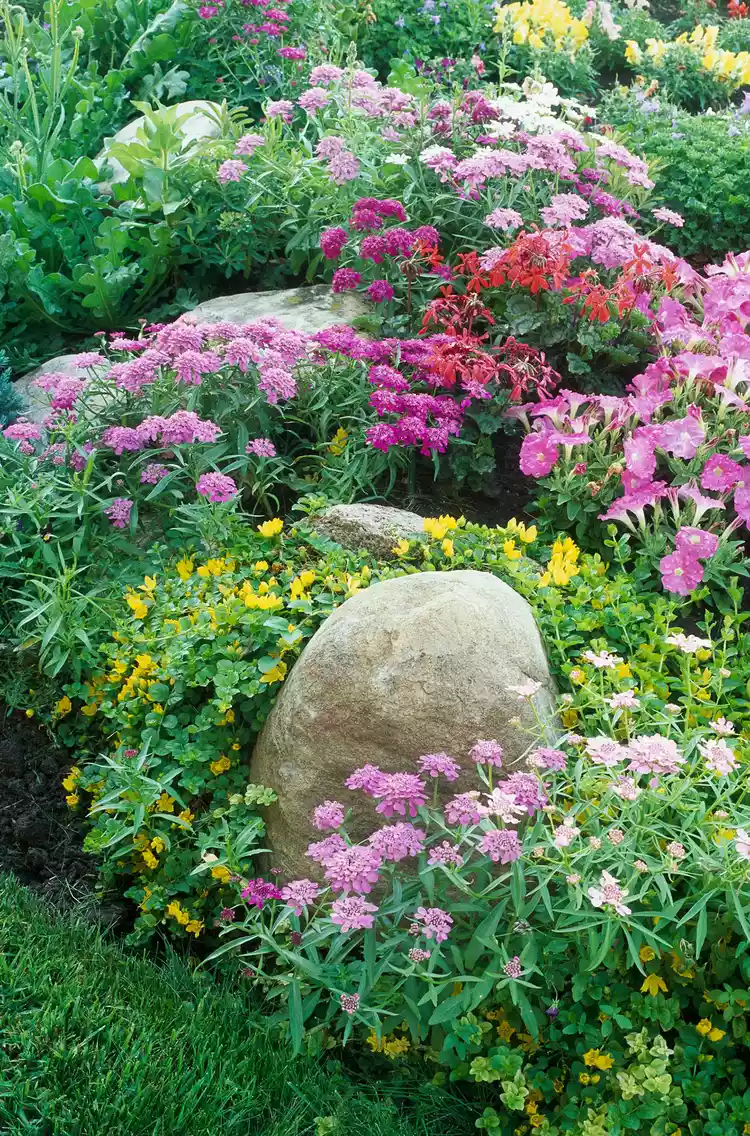
6 Tips for Creating a Low-Maintenance Cottage Garden
22.5K
1.3K
283

6 Tips for Creating a Low-Maintenance Cottage Garden

Cottage gardens are intentionally casual. Go big on color, but light on labor with this classic, informal garden style.
How to Use a Compost Tumbler to Turn Scraps Into Garden Nutrients
1.8K
165
62

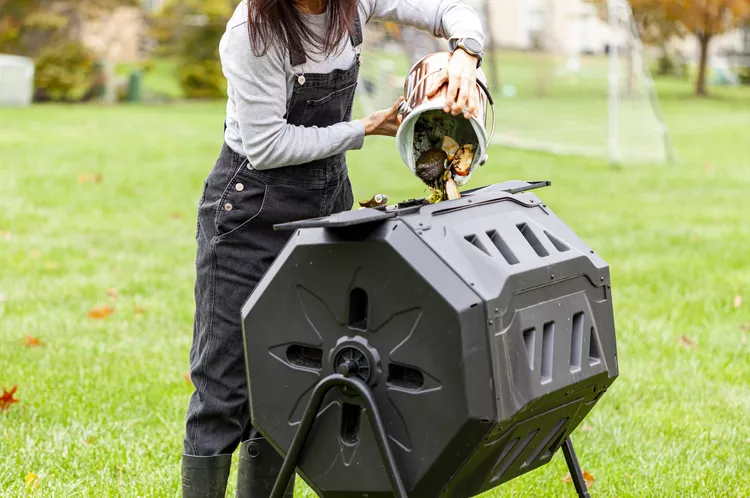
How to Use a Compost Tumbler to Turn Scraps Into Garden Nutrients

Learn how to use a compost tumbler to quickly turn your kitchen waste into valuable organic matter for your plants.
15 Easy Annuals You Can Grow from Seed
7K
556
61

15 Easy Annuals You Can Grow from Seed

Find out which annuals are easy to grow from seed for their beautiful flowers, along with tips on when and how to sow them.
How to Grow Basil Indoors to Enjoy All Year Long
30K
898
350

How to Grow Basil Indoors to Enjoy All Year Long

Growing basil indoors is easy to do from seeds or cuttings. Learn how to grow basil indoors in potting mix or water.
The 10 Best Types of Gourds to Grow for Decor, Crafts, and More
44.7K
1.8K
447

The 10 Best Types of Gourds to Grow for Decor, Crafts, and More

Types of gourds come in many colors, shapes, and sizes. Find the best ones to grow in your garden, how to harvest gourds, and what to use them for.
21 Best Vegetables to Grow in Pots
22.8K
1.1K
136

21 Best Vegetables to Grow in Pots

Choose from these vegetables to grow in pots to enjoy plenty of homegrown produce even from a small space. From petite tomato plants to mini melons, this list includes 21 tasty options that will thrive in containers.
7 Tomato Plant Pests and How to Get Rid of Them
23.1K
461
138

7 Tomato Plant Pests and How to Get Rid of Them

These tomato pests can take a big bite out of your harvest. Use these tips to keep them under control.

8 Expert Tips on How to Keep Squirrels Out of Bird Feeders
30.7K
3.1K
983

8 Expert Tips on How to Keep Squirrels Out of Bird Feeders

These tips from experts on how to keep squirrels out of bird feeders ensure a cleaner outdoor space and only birds at your feeder.
What Are Leafhoppers and How to Get Rid of These Pests
49.2K
1.5K
664

What Are Leafhoppers and How to Get Rid of These Pests

Leafhoppers can damage plants and spread diseases, but there are several ways to control these insect pests. Find out the best ways to get rid of leafhoppers and prevent infestations organically with these tips.
How Can I Stop Woodchucks From Eating My Flowers and Plants?
31.7K
2.9K
656

How Can I Stop Woodchucks From Eating My Flowers and Plants?

How do I stop woodchucks from eating my flowers and plants?
How to Plant and Grow Begonias
46K
3.2K
741

How to Plant and Grow Begonias

Learn how to grow versatile begonias for an easy-care addition to your garden design.
How to Press Flowers for a Pretty Memento You’ll Want to Display
29K
289
34

How to Press Flowers for a Pretty Memento You’ll Want to Display

Preserve your favorite flowers by pressing them with materials you have around your house.
10 Red Flowers for Big, Bold Color in Your Garden
31.6K
2.8K
397

10 Red Flowers for Big, Bold Color in Your Garden

Add an eye-popping assortment of red flowers to your garden, and you'll be thrilled with the bold color they add to your landscape.
23 Plants with Silver Foliage to Help Your Garden Shine
45.5K
2.7K
1K

23 Plants with Silver Foliage to Help Your Garden Shine

Silver leaves set off more colorful flowers and brighten your landscape. Here are the best plants with silver foliage to grow.
15 Rooftop Plants That Will Elevate Your Your Garden
48.8K
1.5K
570

15 Rooftop Plants That Will Elevate Your Your Garden

From groundcovers to shrubs and small trees, these top-notch rooftop plants thrive despite tough growing conditions such as high winds found at higher elevations.
36 Container Garden Ideas to Inspire Your Own Pretty Plantings
46.6K
2.8K
1.4K

36 Container Garden Ideas to Inspire Your Own Pretty Plantings

Use these container garden ideas to create the best-designed planter for your patio, window box, or other container planting.
Top Butterfly Container Garden Ideas
37.7K
2.3K
294

Top Butterfly Container Garden Ideas

Bring butterflies to your garden—even if you have just a deck or patio—with these easy container recipes.
10 Front Porch Planter Ideas to Drape Your Entryway in Color
25.2K
252
110

10 Front Porch Planter Ideas to Drape Your Entryway in Color

Get inspiration and tips for combining containers and plants with these front porch planter ideas to create maximum curb appeal and match your style.
The 3 Best Types of Berries to Grow in Containers, and How to Grow Them
8K
799
167

The 3 Best Types of Berries to Grow in Containers, and How to Grow Them

These essential tips for growing raspberries in pots can also be used to grow strawberries and blueberries. Here's what you need for a sweet crop.
6 Must-Know Tips on Mandevilla Care in Pots to Keep the Flowers Coming All Summer
4.2K
211
78

6 Must-Know Tips on Mandevilla Care in Pots to Keep the Flowers Coming All Summer

Mandevilla care in pots is a little different than growing these gorgeous summer-blooming plants in the ground. Use these tips to keep your potted mandevilla plant thriving and flowering all season.